- Home
- Buchner Funnels

Material : Polypropylene
HSN Code : 39269099
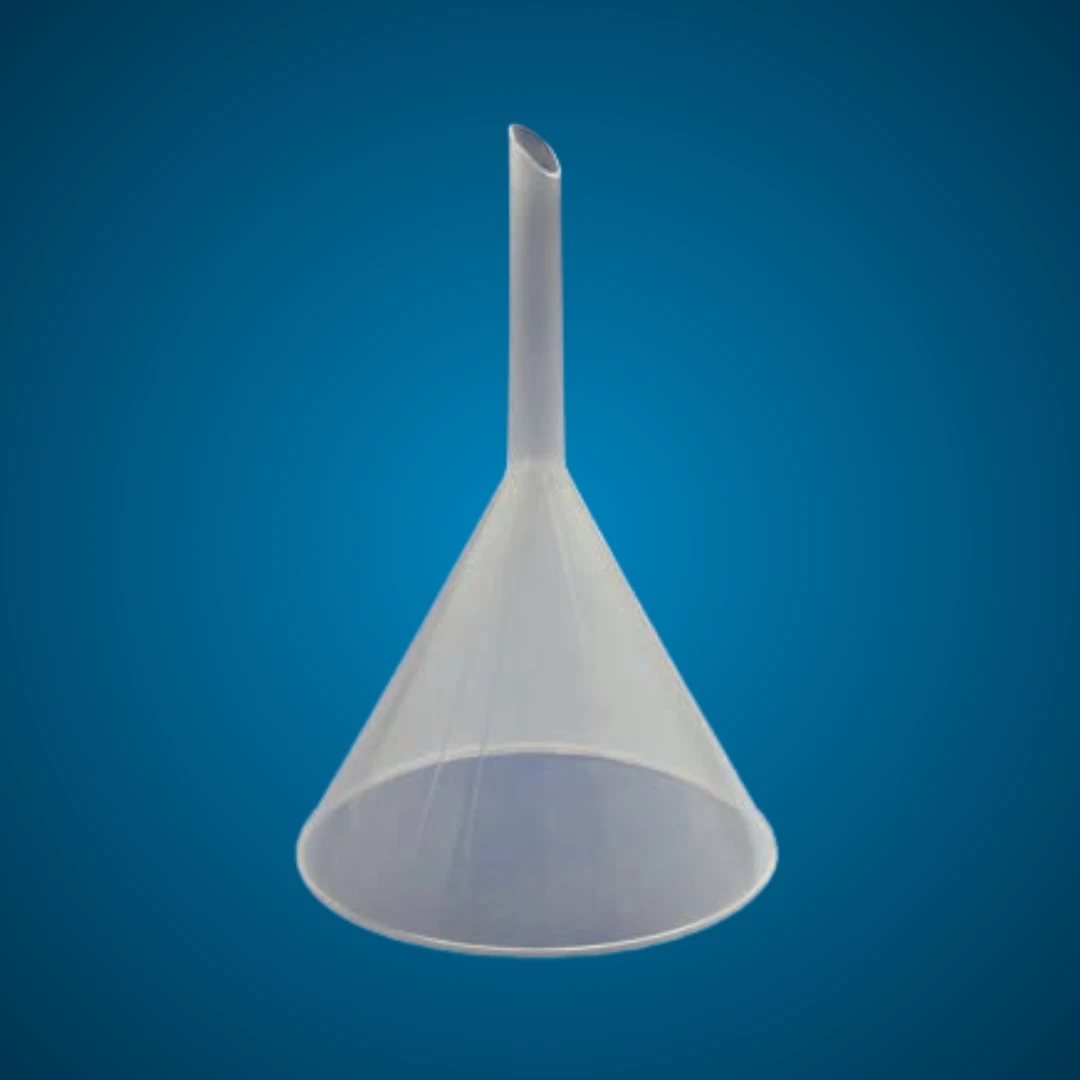
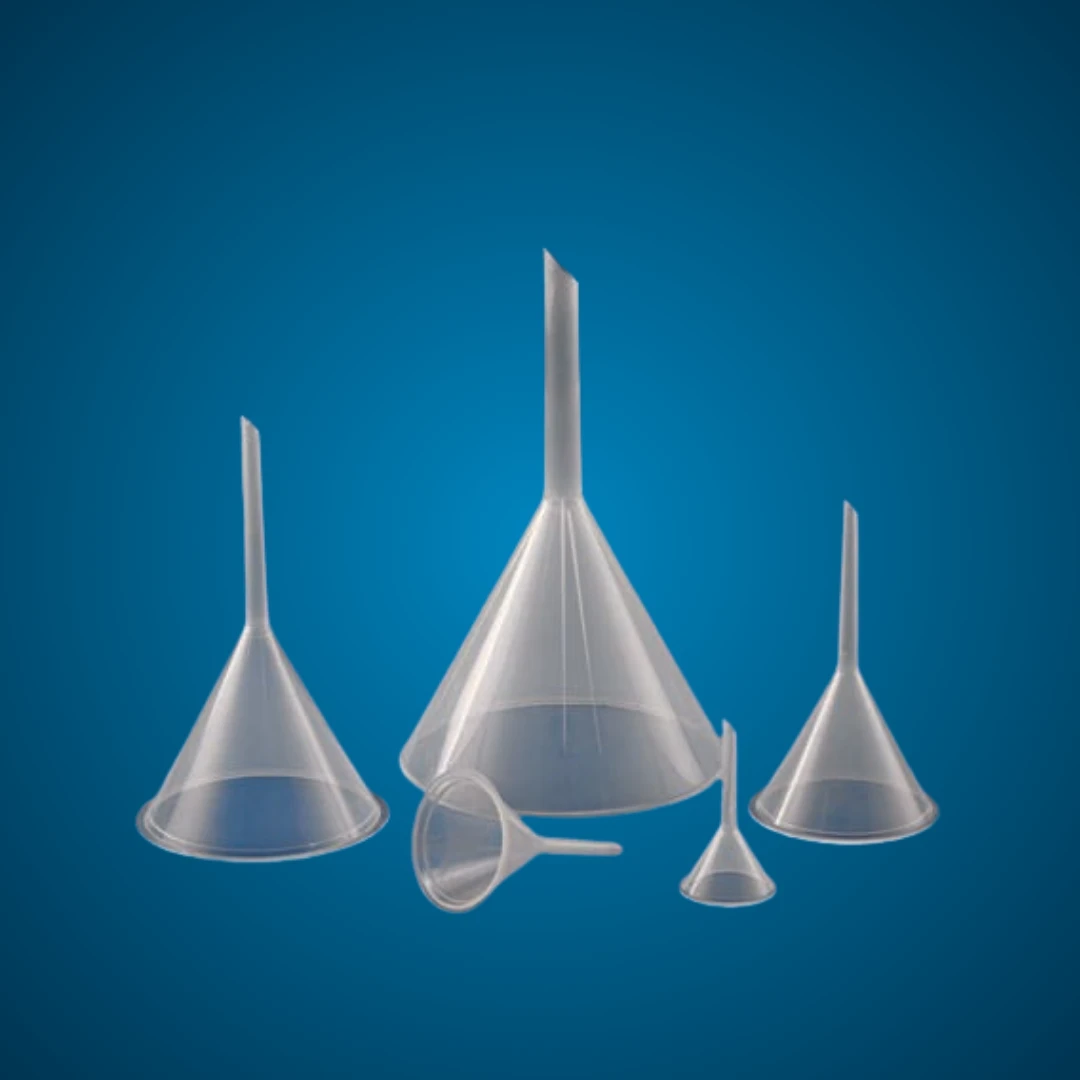
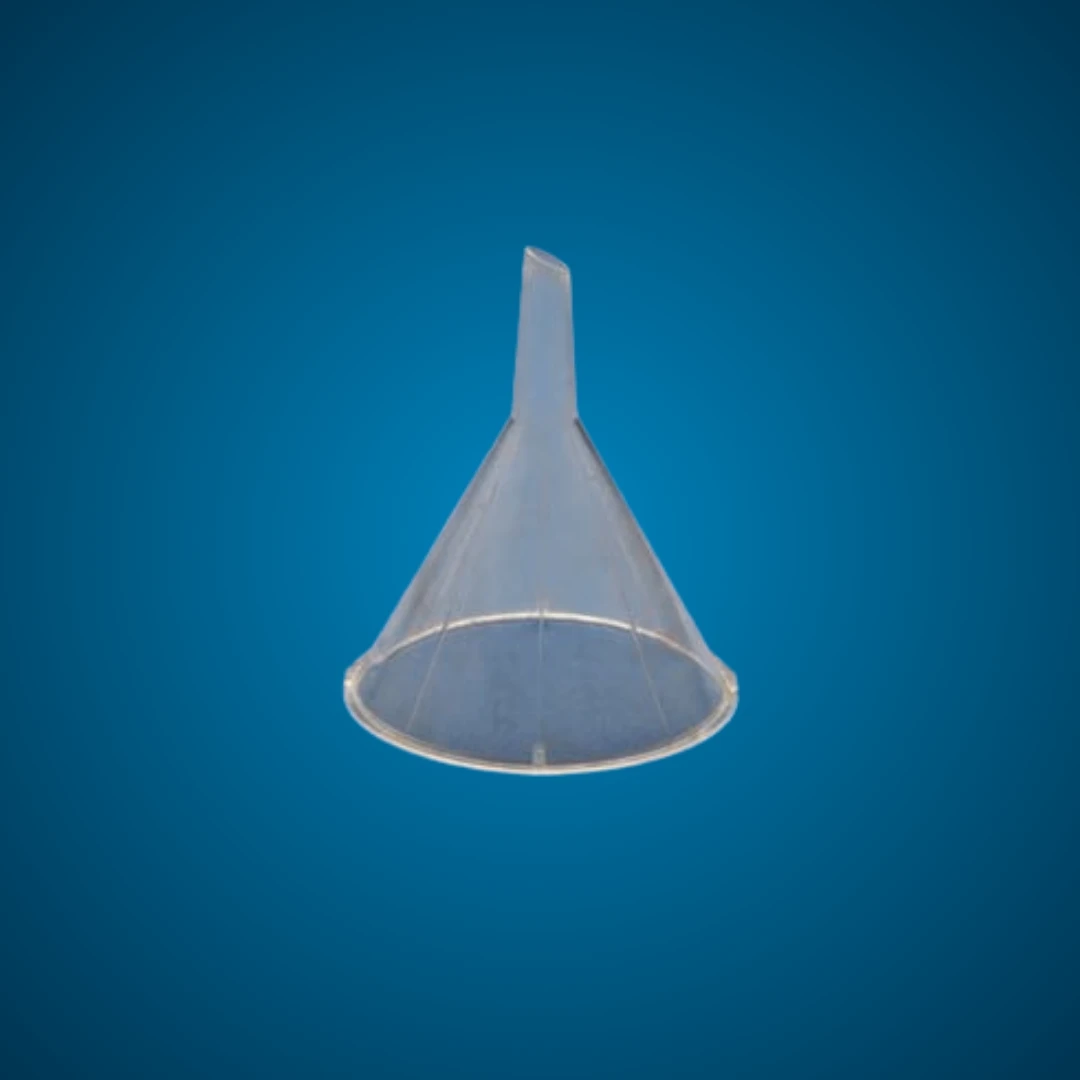
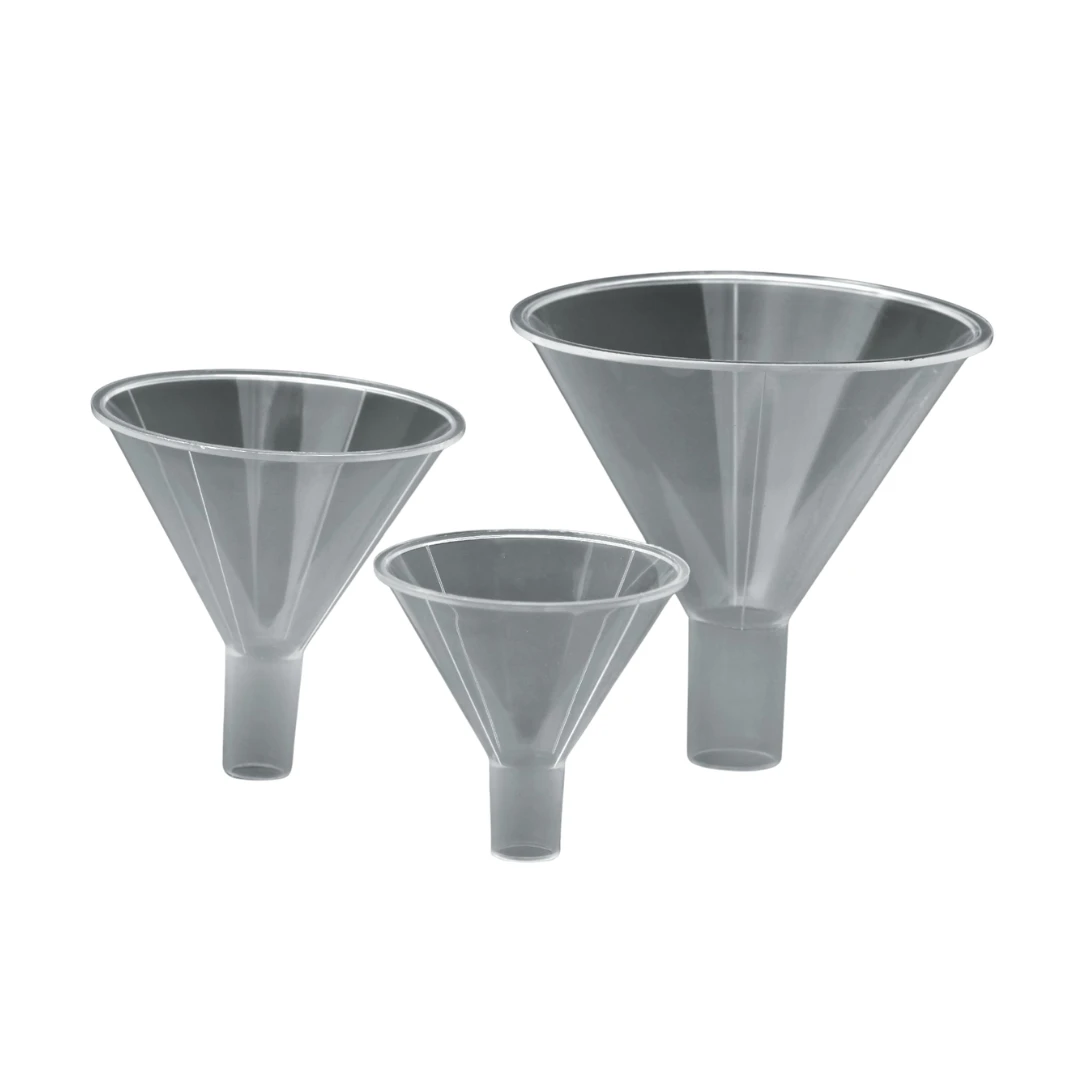
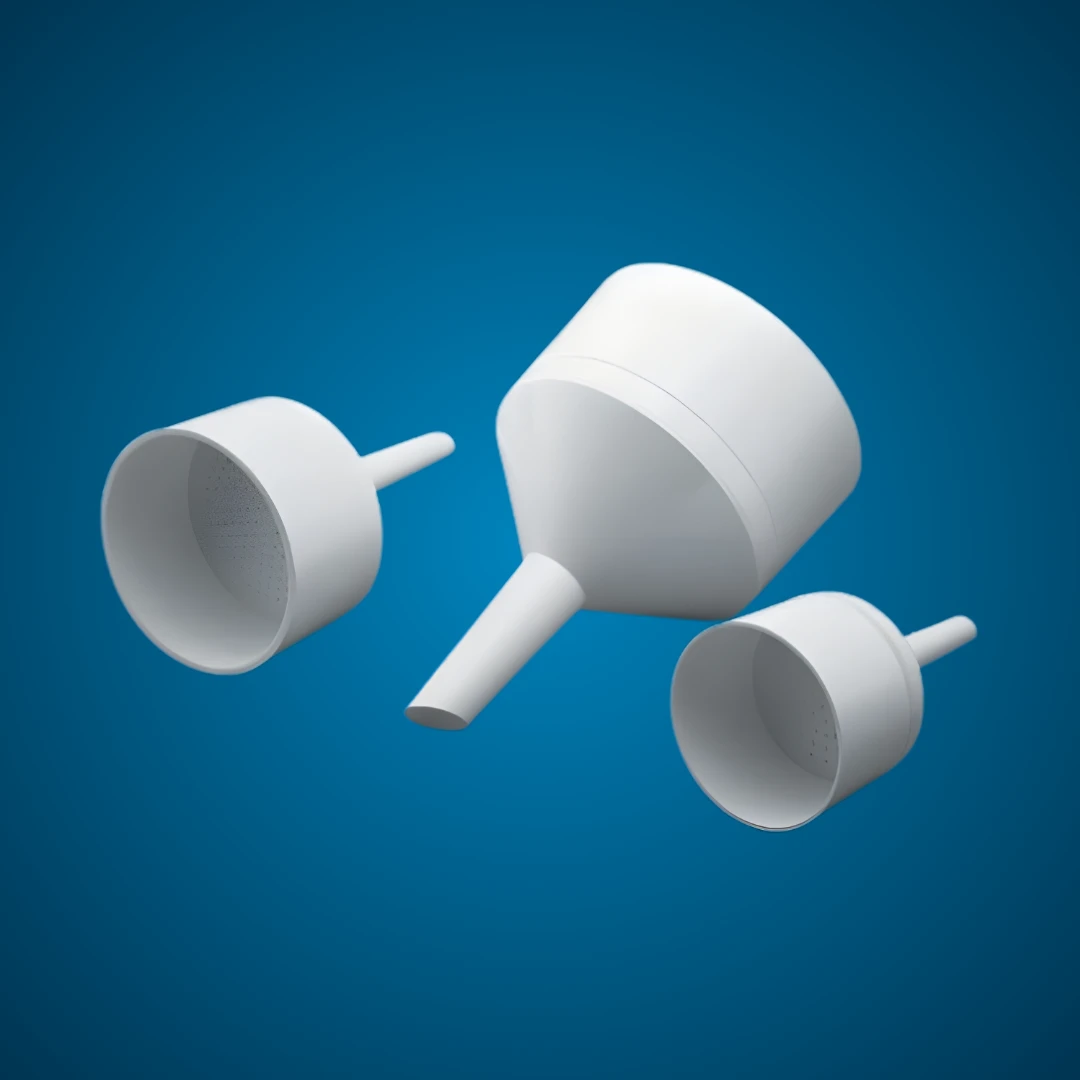
Polylab offers top rated and best Buchner Funnels, designed for efficient filtration processes in laboratory environments. Manufactured using high-quality, chemical-resistant materials, these funnels are ideal for vacuum filtration, ensuring fast and effective separation of solids from liquids.
As trusted manufacturers and suppliers, Polylab focuses on delivering precision-engineered labware that enhances productivity and accuracy. The Buchner funnel features a perforated plate that supports filter paper, allowing uniform filtration while maintaining structural stability during operation.
Built for durability and repeated use, Polylab Buchner Funnels provide excellent resistance to a wide range of chemicals and laboratory conditions. Their sturdy construction ensures reliable performance, making them suitable for both routine and advanced filtration applications.
Code | Particulars | Packing |
|---|---|---|
57105 | 70 mm | 12 Pcs |
57106 | 110 mm | 6 Pcs |
57108 | 90 mm | 12 Pcs |
Recognized among the best manufacturers and suppliers, Polylab continues to provide dependable laboratory solutions. These funnels are an essential choice for professionals requiring efficient, consistent, and safe filtration results.
Vacuum Filtration : Ideal for separating solids from liquids efficiently.
Laboratory Analysis : Used in chemical and analytical procedures requiring filtration.
Research Work : Supports precise and repeatable filtration processes.
Pharmaceutical Labs : Useful in sample preparation and purification steps.
Industrial Testing : Applied in quality control and material analysis.
Perforated Plate Design : Ensures even support for filter paper and uniform filtration flow.
Vacuum Filtration Ready : Suitable for use with vacuum systems to speed up filtration processes.
Chemical Resistant Material : Compatible with a wide range of laboratory reagents and solvents.
Robust Construction : Provides strength and stability during continuous use.
Easy to Clean : Designed for quick maintenance and reuse in laboratory workflows.
Consistent Product Quality : Manufactured with strict quality checks to ensure reliable and repeatable performance.
Wide Industry Acceptance : Commonly used across laboratories, institutions, and industrial setups.
Advanced Manufacturing Standards : Designed with precision to meet modern laboratory requirements.
Cost-Effective Solutions : Offers long-term value with durable and reusable products.
Efficient Supply Network : Ensures timely delivery and easy availability across regions.
The two components are precision-molded with complementary tapered surfaces that create a tight, interference fit when pressed together. This fit is engineered to be vacuum-tight under normal filtration conditions without requiring any additional sealing agents. The design eliminates the need for messy vacuum greases, saves setup time, and removes a potential source of sample contamination.
These Buchner funnels are available in three diameters: 70 mm (Code 57105) supplied in packs of 12 pieces, 90 mm (Code 57108) supplied in packs of 12 pieces, and 110 mm (Code 57106) supplied in packs of 6 pieces. The size refers to the approximate diameter of the filter plate, which determines the size of filter paper required.
For optimal performance, use filter paper that matches the funnel diameter: 70 mm funnels use 70 mm diameter filter paper, 90 mm funnels use 90 mm filter paper, and 110 mm funnels use 110 mm filter paper. The filter paper should sit flat on the perforated plate, covering all holes but not extending up the sides of the funnel.
Yes, these Buchner funnels are manufactured from polypropylene and are fully autoclavable at standard sterilization temperatures (121°C). This makes them suitable for sterile applications in microbiology, cell culture, and pharmaceutical settings. They can be autoclaved repeatedly without degradation, though like all plastics, repeated cycles may eventually affect the material over time.
Cleaning is simple due to the separable two-piece design: 1) Separate the top and bottom components, 2) Rinse both parts immediately after use with an appropriate solvent, 3) Wash with warm water and mild laboratory detergent using a soft brush if needed, paying attention to the perforated plate, 4) Rinse thoroughly with distilled water, 5) Allow both components to air dry completely before reassembly. The ability to separate the components ensures thorough cleaning of all surfaces.
These funnels are designed for typical laboratory vacuum filtration applications, such as those achieved with water aspirators or house vacuum systems (typically 10-20 mmHg absolute pressure). They are suitable for routine filtrations. For high-vacuum applications or use with stronger vacuum sources, we recommend testing under your specific conditions or consulting with our technical support team.
Polypropylene offers excellent chemical resistance to aqueous solutions, dilute acids, dilute bases, alcohols, and many organic solvents including acetone, ethanol, and methanol. However, it may not be suitable for strong oxidizing agents, concentrated acids, chlorinated solvents (like chloroform or dichloromethane), or aromatic hydrocarbons (like toluene or xylene). Always consult chemical compatibility charts for specific applications.
Polypropylene has good resistance to many common organic solvents including alcohols and acetone. However, for aggressive solvents like chlorinated hydrocarbons or aromatic solvents, compatibility should be verified. For routine filtrations with typical laboratory solvents, these funnels are suitable. Always check chemical compatibility for your specific solvent.
To ensure a good seal: 1) Ensure both components are clean and dry, 2) Align the top portion squarely with the bottom, 3) Press firmly and evenly until you feel the components snap into place, 4) Check that the fit is snug with no wobble, 5) Test the seal by applying vacuum before adding liquid. The precision-molded components should create a reliable seal with proper assembly.
A perforated plate with holes, like the one in these funnels, offers several advantages over sintered glass frits: it is easier to clean and less likely to clog, it provides better flow rates, it is more durable and less prone to breakage, and it is more economical. The uniformly spaced holes provide excellent filter paper support and even vacuum distribution for most laboratory filtrations.
PolyLab offers a comprehensive range of high-quality plastic laboratory ware designed for accuracy, durability, and everyday laboratory applications across education, research, healthcare, and industrial sectors.
Copyright © 2026 PolyLab, All Rights Reserved.