- Home
- Molecular Model Set - Diamond

Material : PS / PE
HSN Code : 90230010
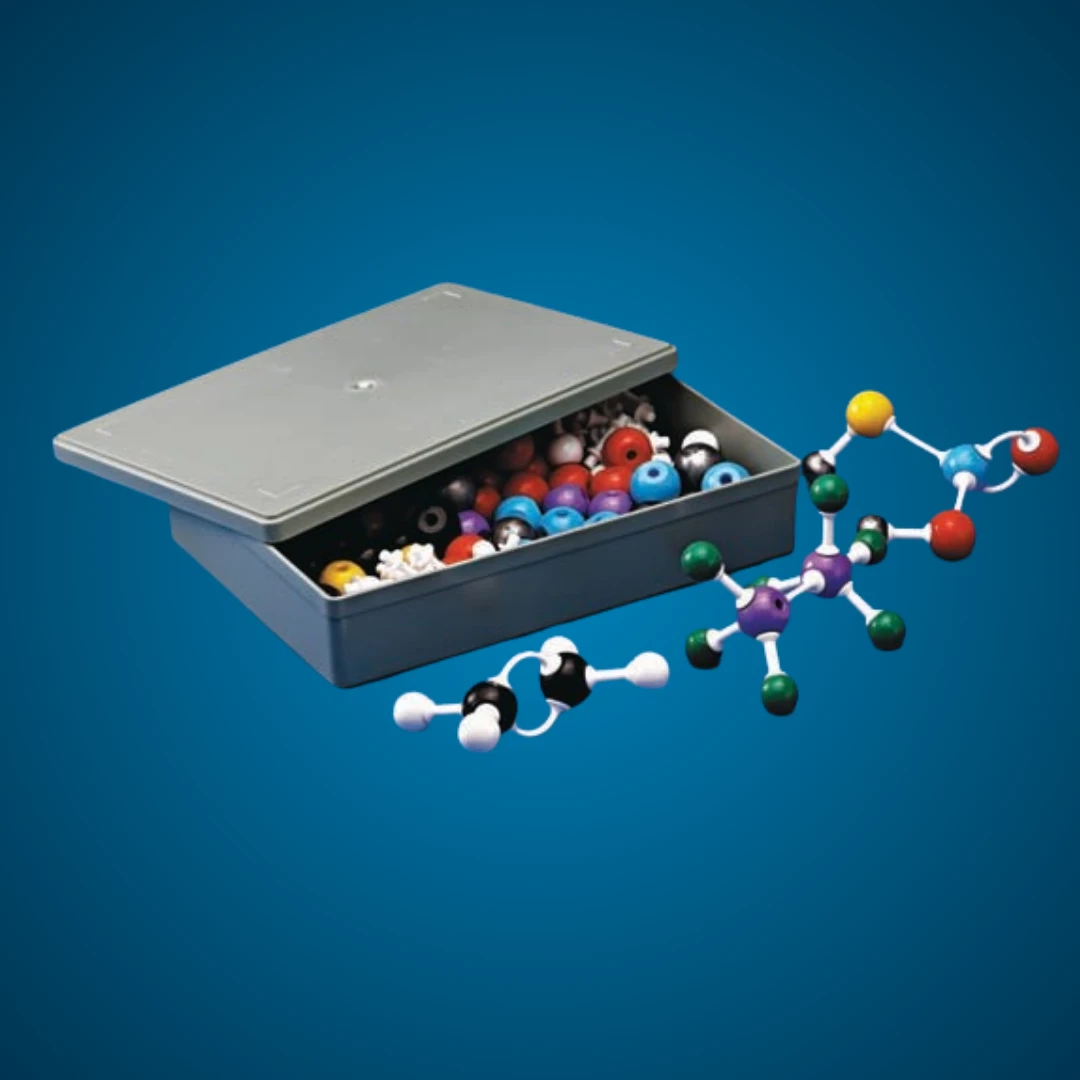
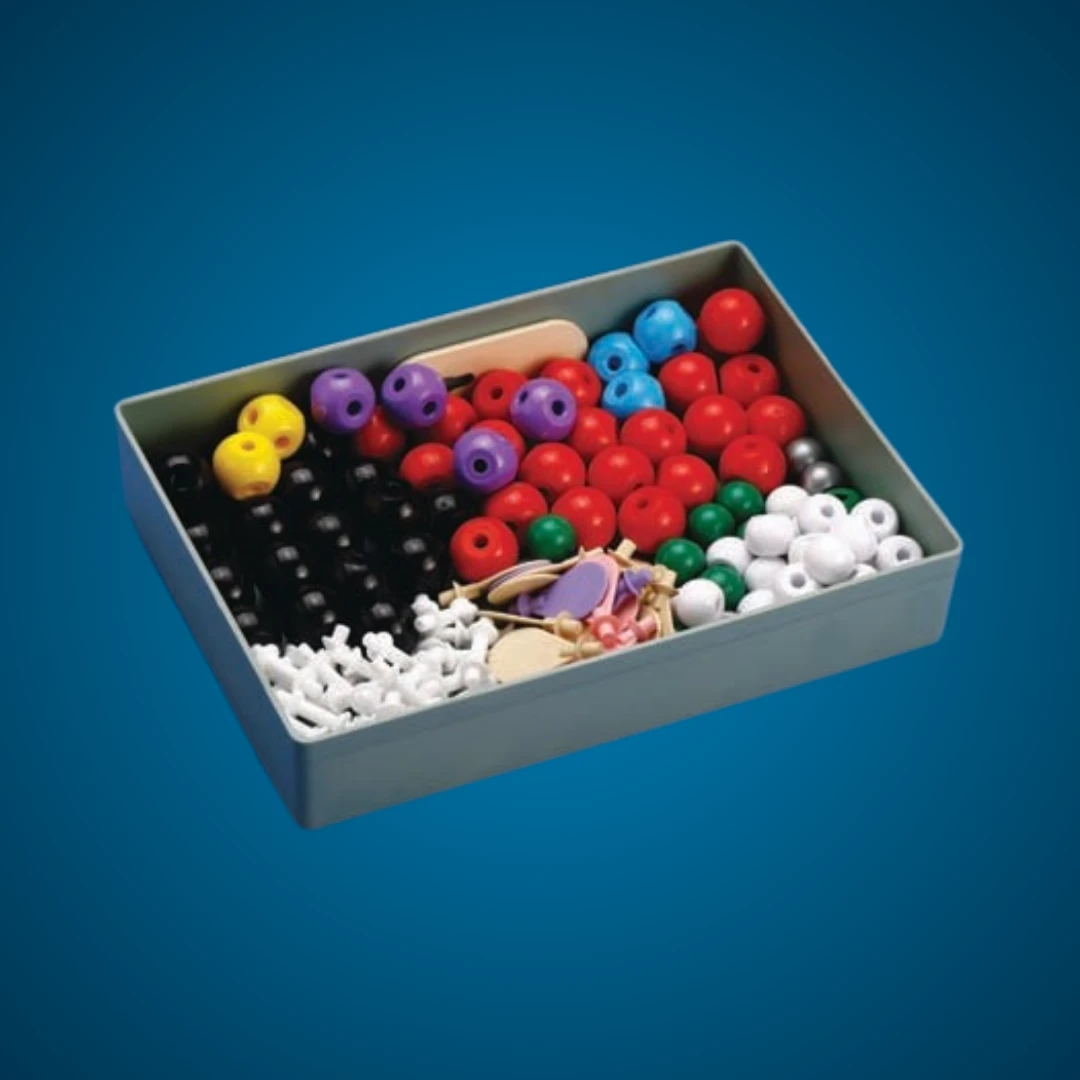
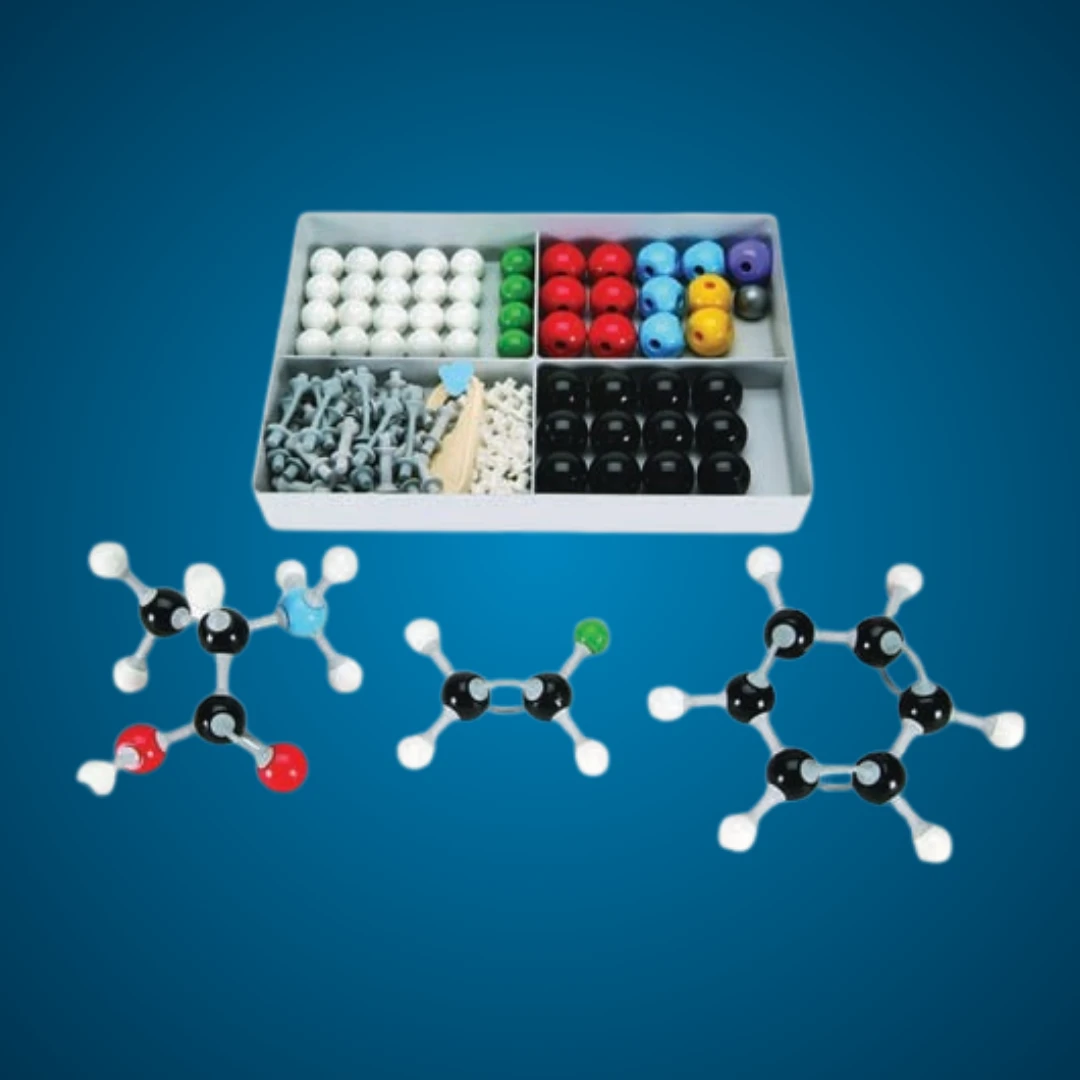
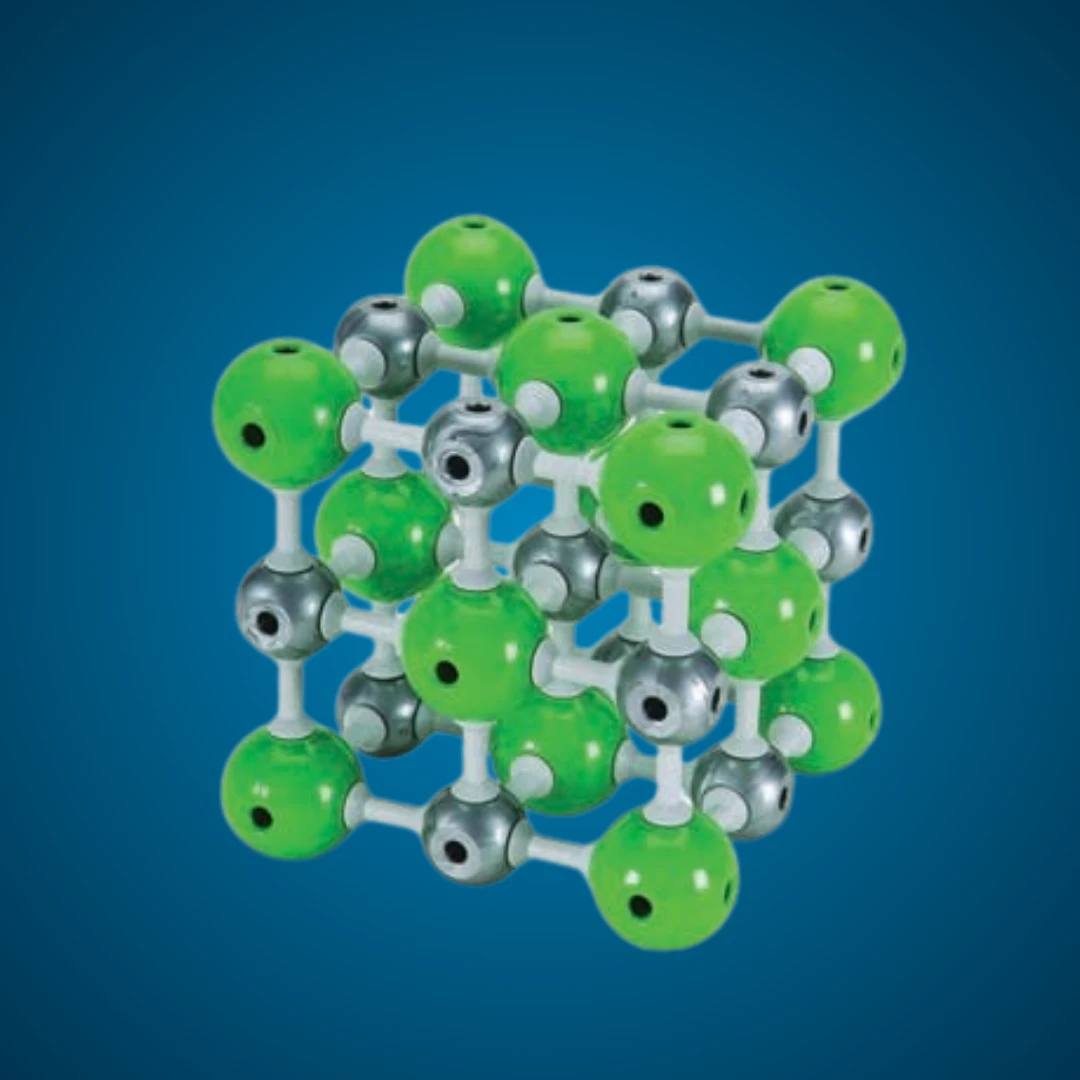
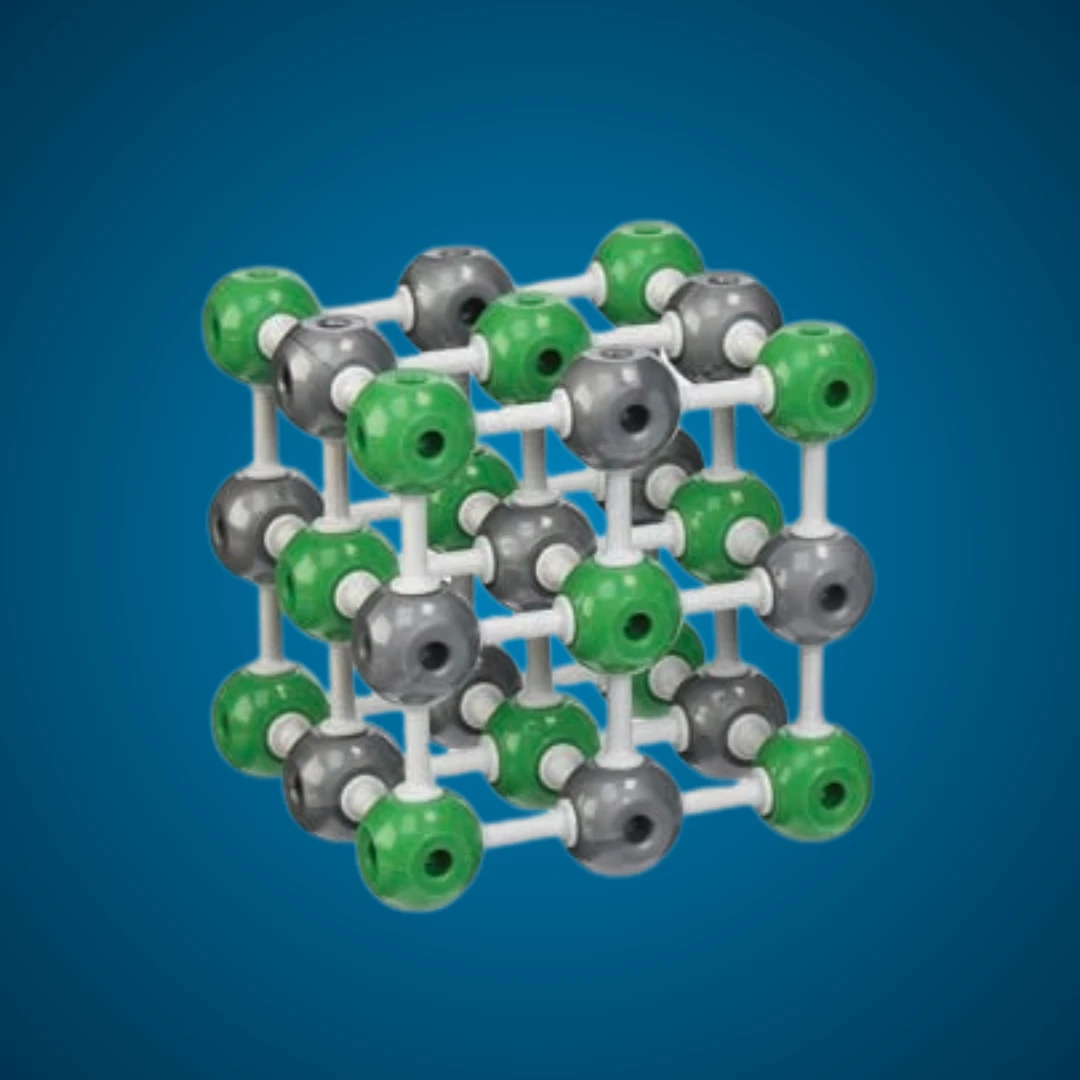
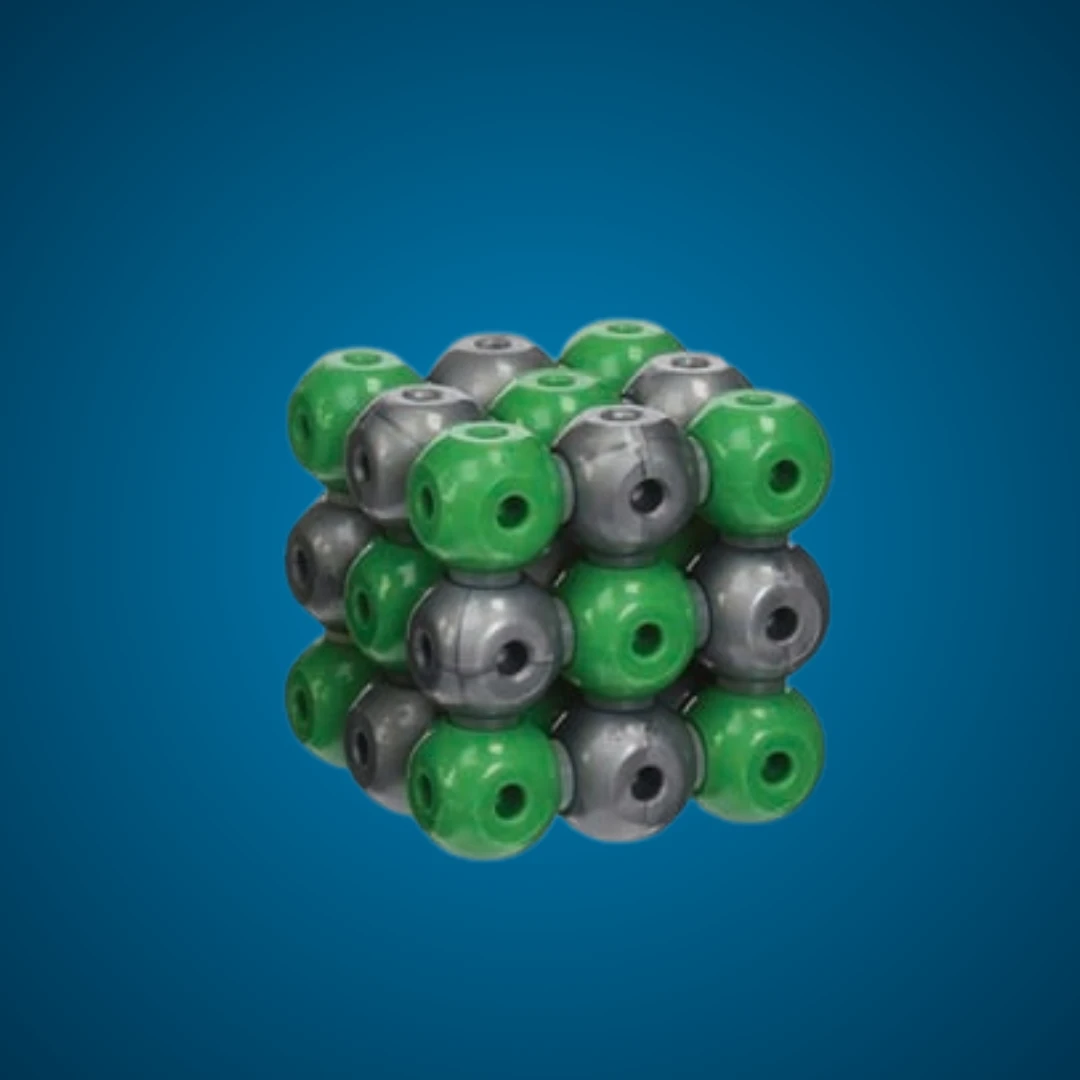
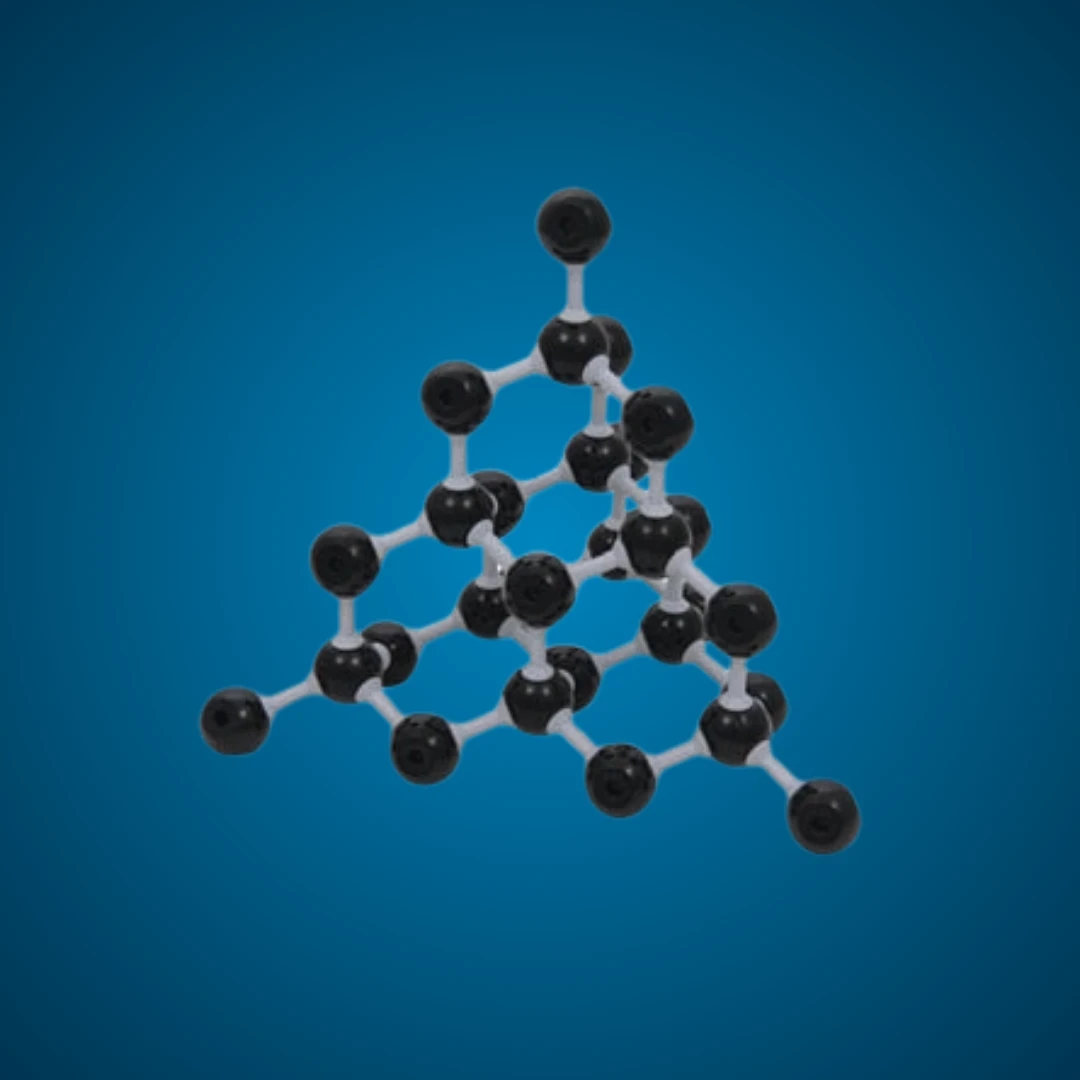
Polylab presents top rated and best Molecular Model Set – Diamond, designed to clearly demonstrate the three-dimensional crystal structure of diamond in an interactive and educational way. This model helps students understand how carbon atoms are arranged in a strong tetrahedral lattice, forming one of the hardest known natural structures.
As trusted manufacturers and suppliers, Polylab focuses on delivering high-quality educational tools that simplify complex chemistry concepts. The diamond model set accurately represents covalent bonding in a rigid 3D network, helping learners visualize why diamond has exceptional hardness and stability.
Manufactured using durable and precision-designed components, the Polylab Diamond Model Set ensures long-term usability in academic environments. Its structured assembly allows easy construction of the tetrahedral arrangement, making it ideal for classroom demonstrations and practical learning.
Code | Particulars | Packing |
|---|---|---|
58034 | Diamond | 1 Pc |
Recognized among the best manufacturers and suppliers, Polylab continues to provide innovative science education solutions. This model set is essential for understanding carbon allotropes and solid-state chemistry through clear visual representation.
Chemistry Education : Used to teach carbon allotropes and solid-state structures.
Classroom Demonstrations : Helps visualize diamond’s crystal structure effectively.
Student Learning : Supports hands-on understanding of molecular geometry.
Laboratory Teaching : Useful for explaining bonding and material properties.
Academic Workshops : Ideal for interactive science learning sessions.
3D Tetrahedral Structure : Accurately represents diamond’s rigid carbon lattice arrangement.
Strong Covalent Bond Representation : Clearly shows how carbon atoms are tightly bonded in all directions.
Durable Construction : Built for repeated educational use in classrooms and labs.
Easy Assembly System : Simplified design for quick model building and demonstration.
Clear Concept Visualization : Helps understand hardness and structural properties of diamond.
Consistent Product Quality : Manufactured under strict standards for accurate models.
Wide Academic Acceptance : Trusted by educational institutions and laboratories.
Precision Design Approach : Ensures correct structural representation.
Cost-Effective Learning Tool : Durable and reusable for long-term use.
Reliable Supply Network : Ensures timely availability and distribution.
This specialized set is the best because it focuses exclusively on the unique tetrahedral structure of diamond, allowing deep exploration of this important carbon allotrope. The 30 specially designed Carbon (IV) atoms feature the correct tetrahedral geometry (109.5° bond angles) that creates the characteristic three-dimensional network of diamond. By building an extended lattice with multiple unit cells, students can visualize how the same carbon atoms that form soft, layered graphite can also form the hardest natural material simply by changing their bonding arrangement. This focused approach provides the top rated understanding of how atomic arrangement determines macroscopic properties.
The Carbon (IV) atoms in this set feature a specialized four-hole configuration specifically engineered for modeling diamond. Each hole is positioned at the corners of a regular tetrahedron, with the correct 109.5° bond angles. This allows each carbon atom to form four strong covalent bonds to neighboring carbons, creating the continuous three-dimensional network that gives diamond its exceptional properties. This specialized design makes these atoms the best for accurate diamond structure modeling.
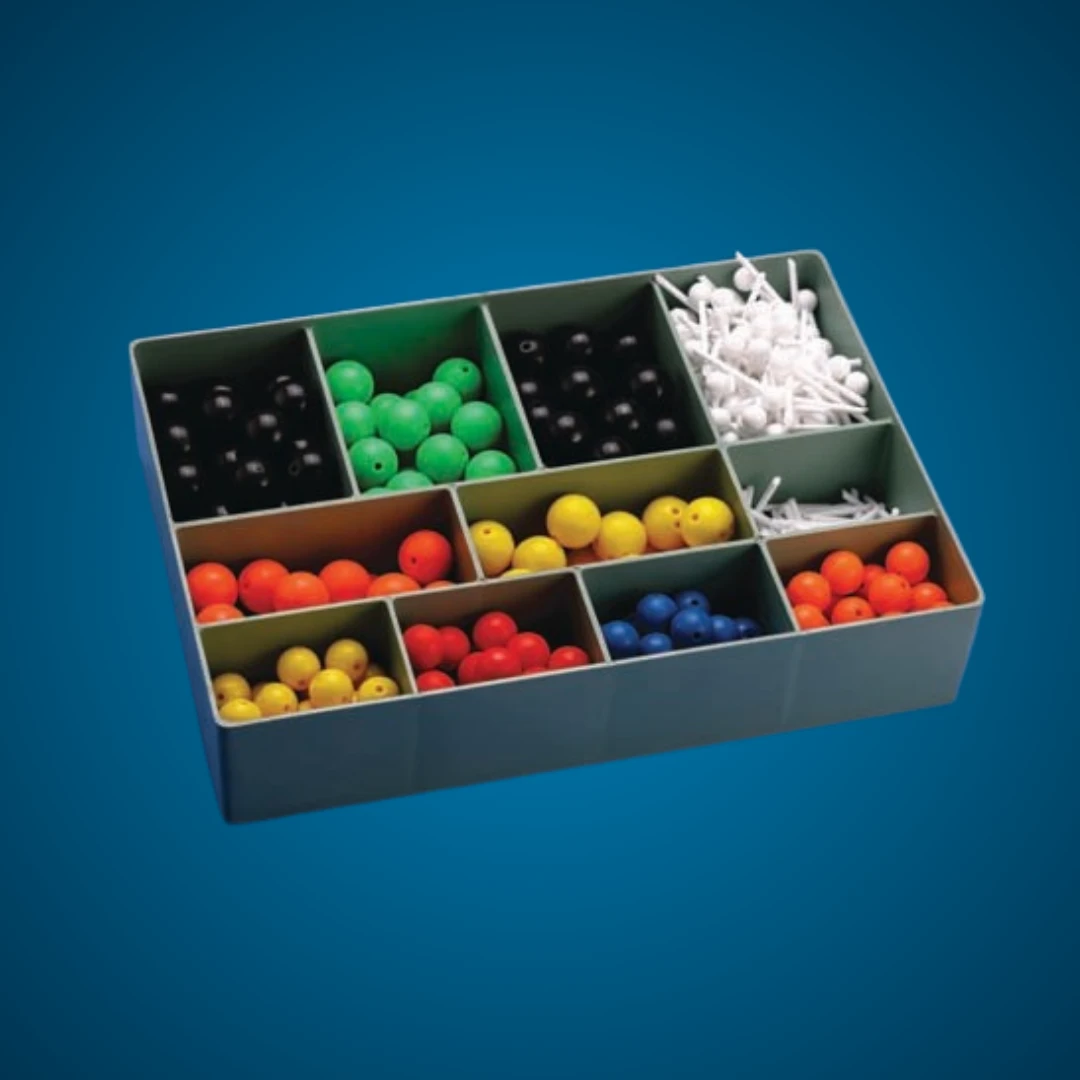
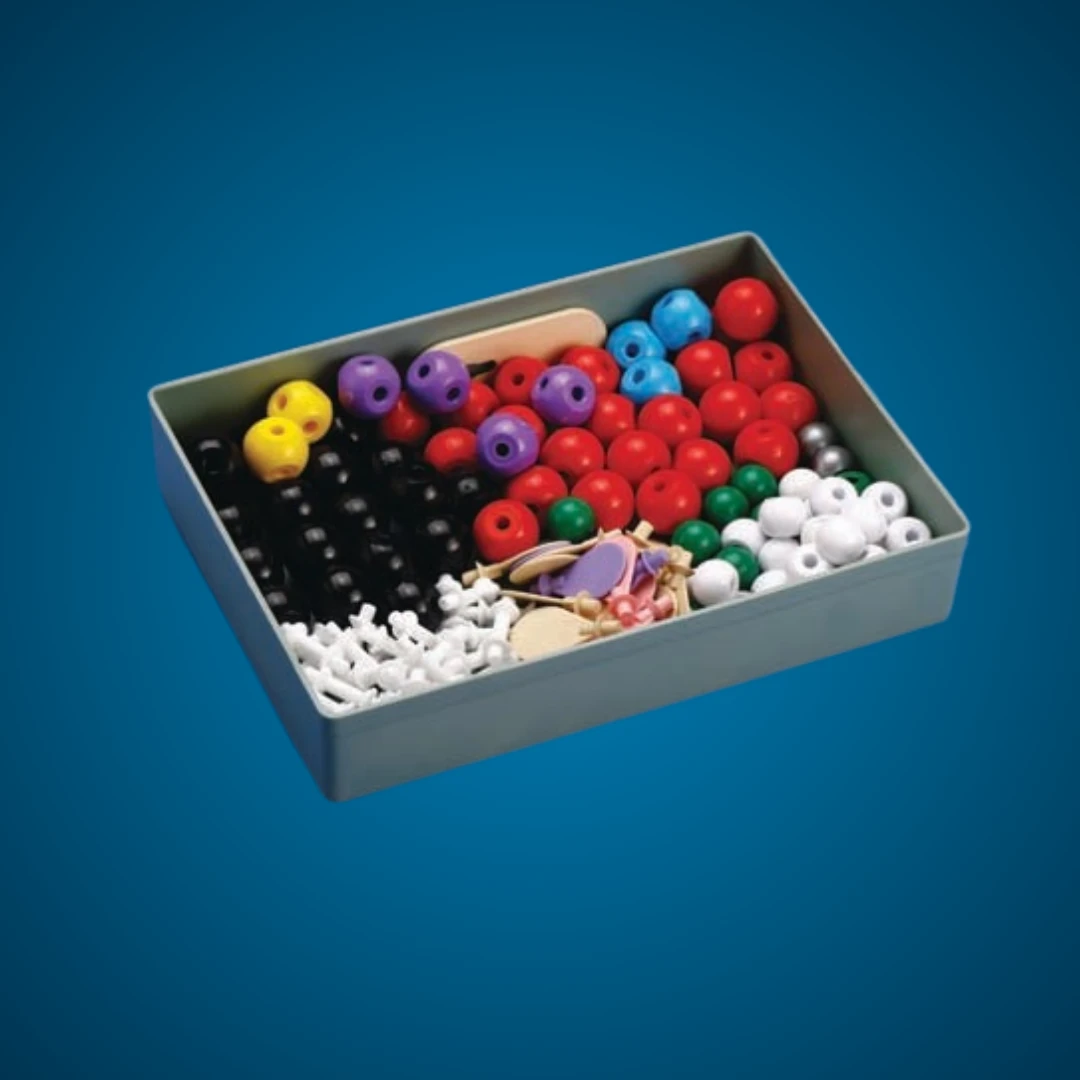
This diamond set includes 30 Carbon (IV) atoms and 45 Connectors. This quantity provides ample resources for building a representative portion of the diamond lattice with multiple complete unit cells. The 45 connectors follow the 2n-2 relationship for network structures (with 30 atoms, approximately 58 bonds are needed in an infinite lattice; 45 connectors allow for a substantial finite representation).
With 30 Carbon atoms, you can construct a representative section of the diamond crystal lattice containing multiple complete unit cells. This will clearly show the tetrahedral coordination of each carbon, the characteristic six-membered rings in the chair conformation, and the extended three-dimensional network. This quantity is the best balance for comprehensive visualization without being overwhelming.
Diamond exceptional hardness comes from its continuous three-dimensional network of strong covalent bonds. This set allows students to see that every carbon atom is bonded to four others, and those atoms are bonded to four more, creating an uninterrupted network throughout the entire crystal. Unlike layered structures (like graphite) where bonds are strong within layers but weak between them, diamond has strong bonds in all directions. This visual demonstration is the best for understanding this fundamental structure-property relationship.
In diamond, each carbon is sp³ hybridized and forms four tetrahedral bonds, creating a three-dimensional network. In graphite, each carbon is sp² hybridized and forms three bonds in planar hexagonal rings, creating two-dimensional layers with weak interlayer forces. This set, combined with our graphite model set (58030), allows direct comparison of these two structures, making it the best for teaching allotropy.
This diamond set is suitable for a wide range of educational levels. It is excellent for advanced high school chemistry (AP/IB) when covering allotropy and bonding. It is ideal for undergraduate inorganic chemistry, solid-state chemistry, and materials science courses. It is also valuable for graduate-level discussions of crystal chemistry, semiconductor materials, and structure-property relationships. The specialized focus makes it the best for in-depth study at any level.
In diamond, all four valence electrons of carbon are localized in strong covalent bonds, leaving no free electrons for conduction. In graphite, the fourth electron (the one not used in sigma bonds) is delocalized in pi systems above and below the planes, allowing electron movement. This set helps visualize the localized bonding in diamond, providing the best foundation for understanding this difference in electrical properties.
Silicon, germanium, and gray tin all crystallize in the diamond structure, as do compound semiconductors like silicon carbide (SiC) and gallium arsenide (GaAs) in the related zinc blende structure. Understanding diamond through this model provides the best foundation for understanding these technologically important semiconductor materials.
The Molecular Model Set - Diamond (Code 58034) is supplied individually, with one complete set per pack. Each set includes all 30 Carbon (IV) atoms and 45 Connectors, providing everything needed for comprehensive diamond crystal structure modeling in a single specialized package.
PolyLab offers a comprehensive range of high-quality plastic laboratory ware designed for accuracy, durability, and everyday laboratory applications across education, research, healthcare, and industrial sectors.
Copyright © 2026 PolyLab, All Rights Reserved.