- Home
- Specimen Jar (Gas Jar)
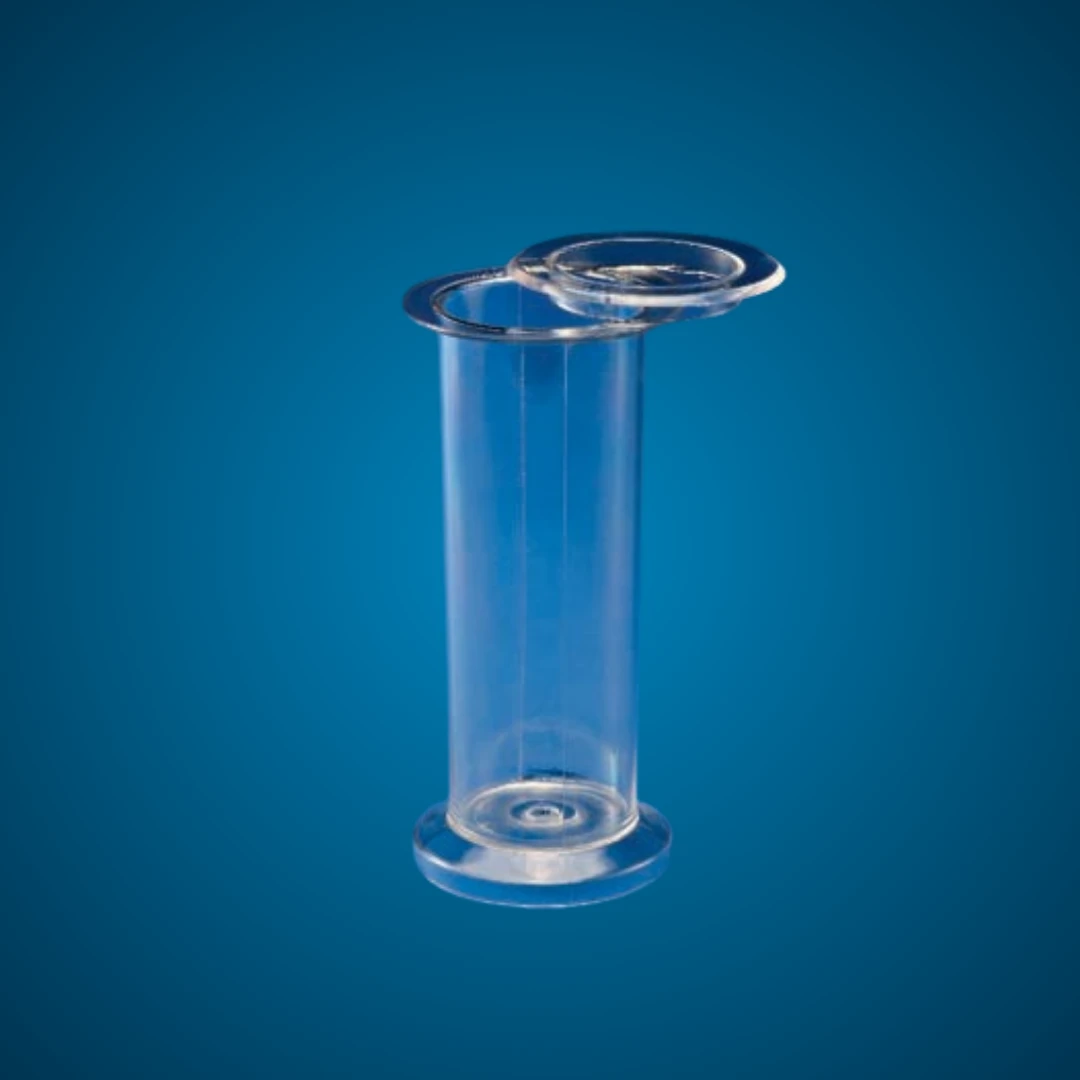
Material : Polystyrene
HSN Code : 39231090
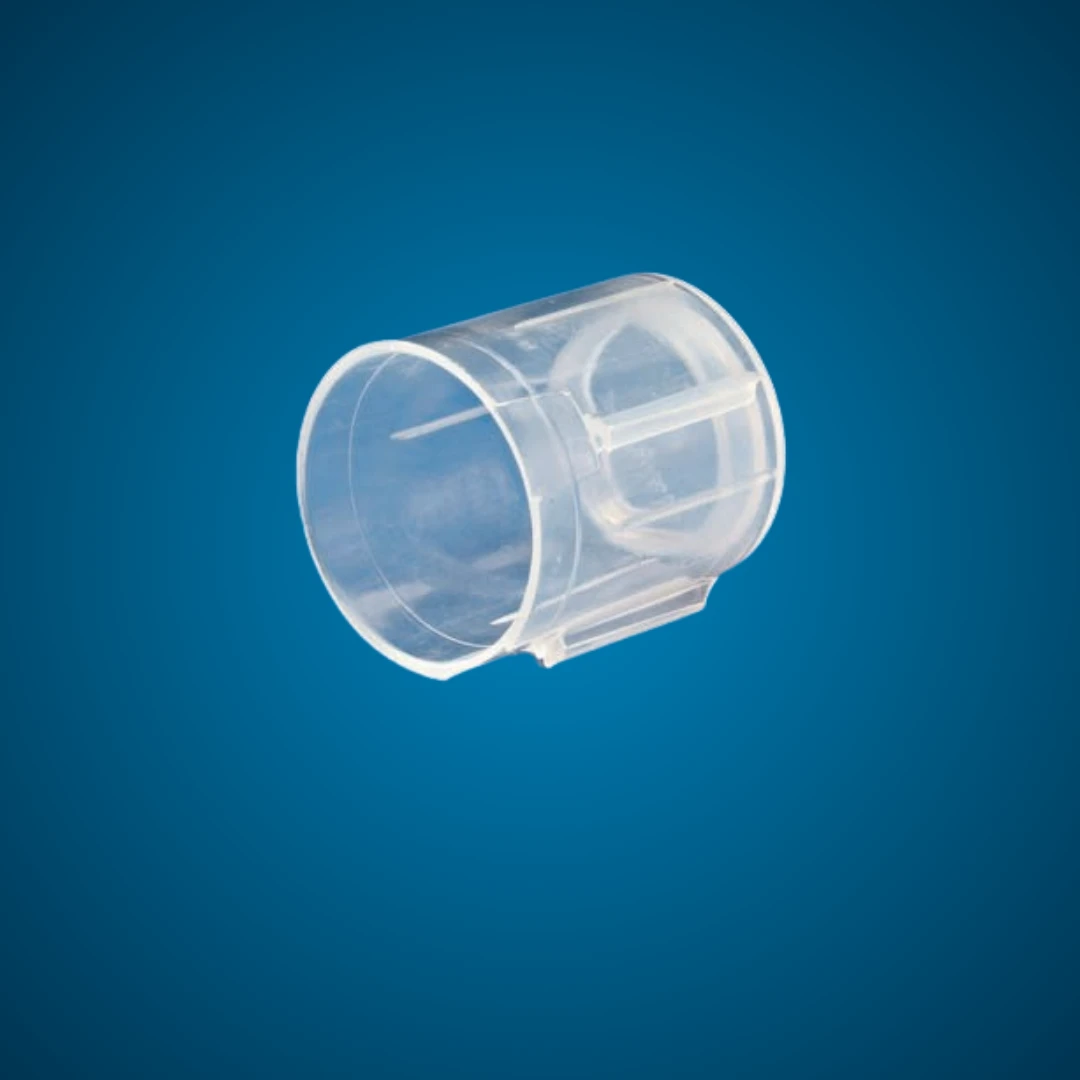
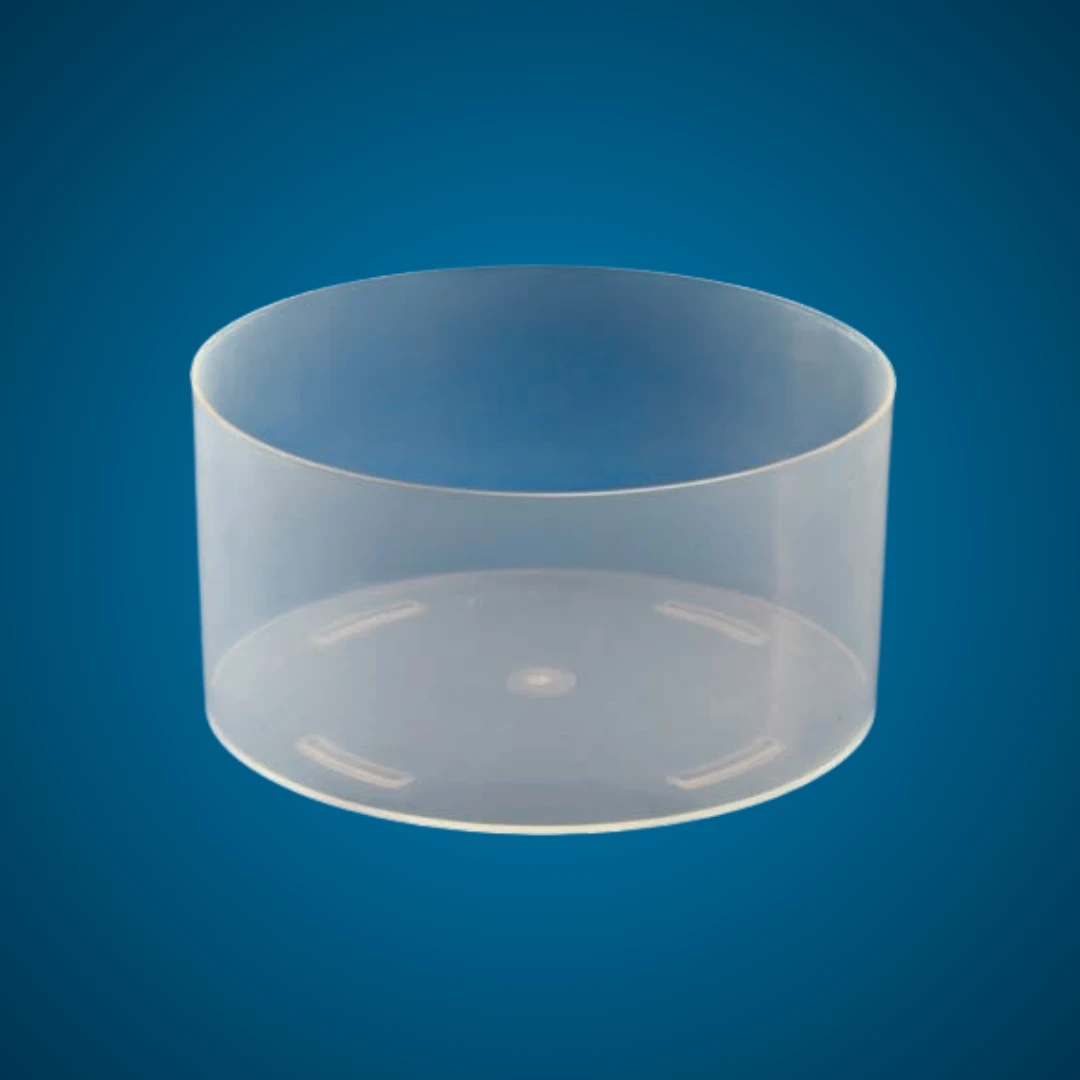
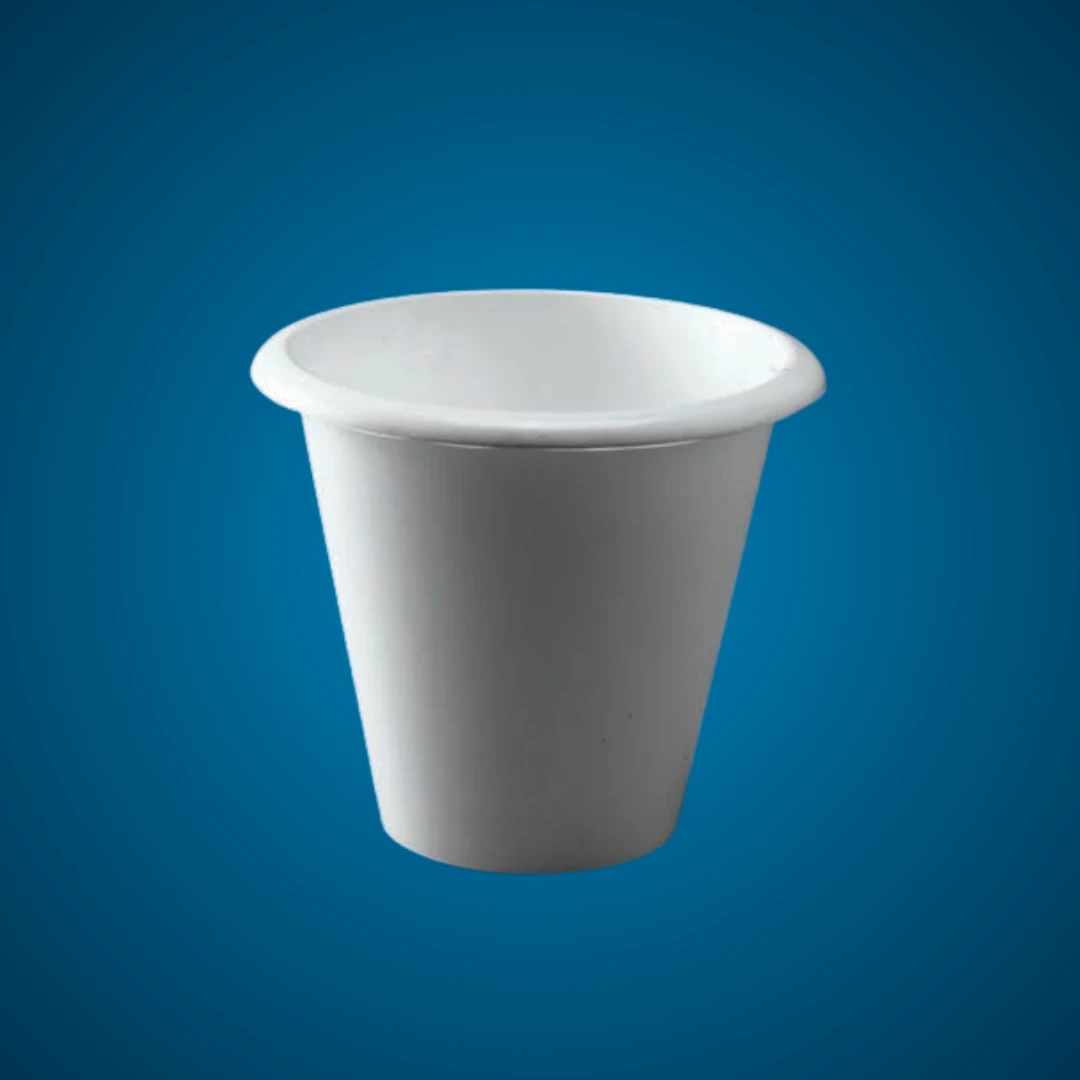
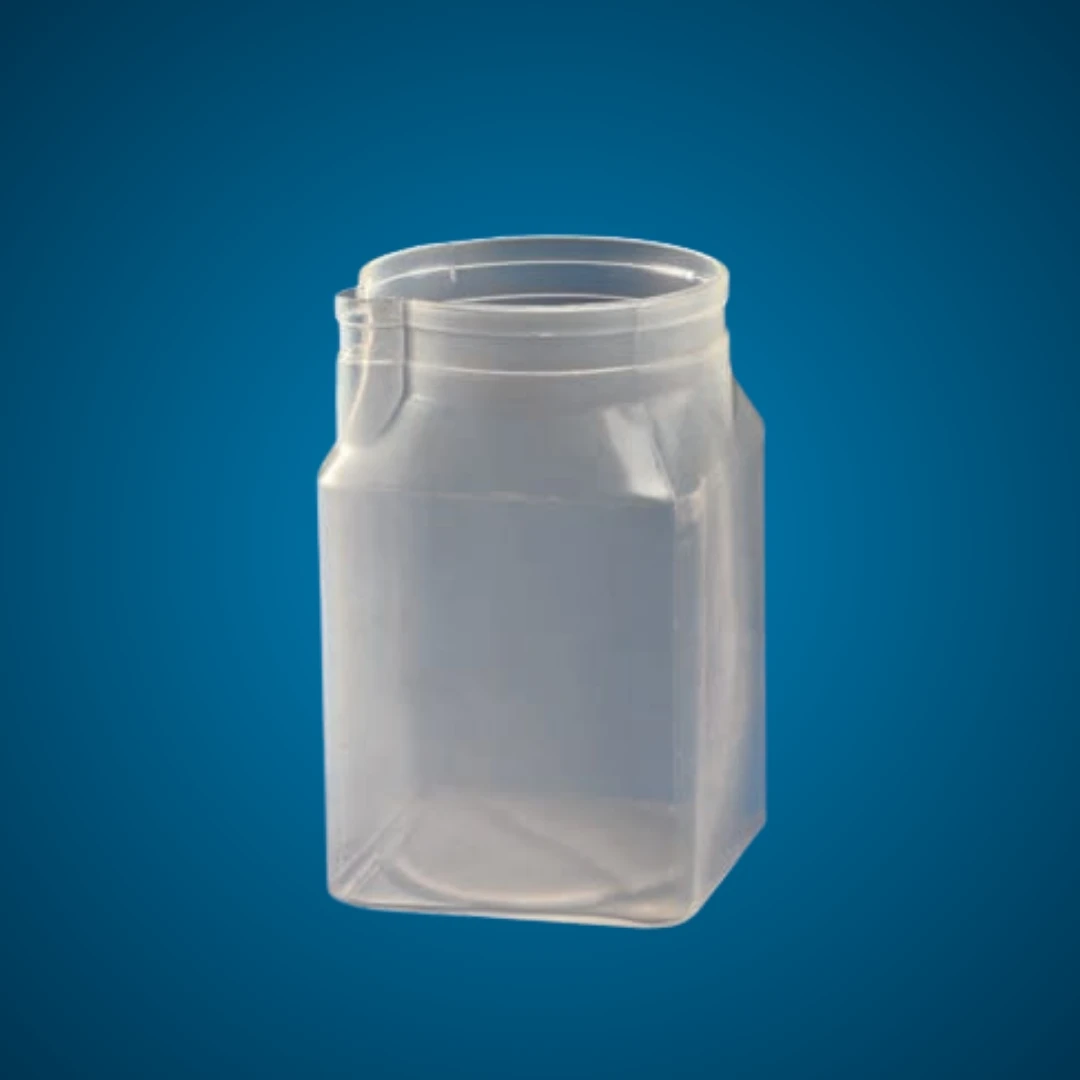
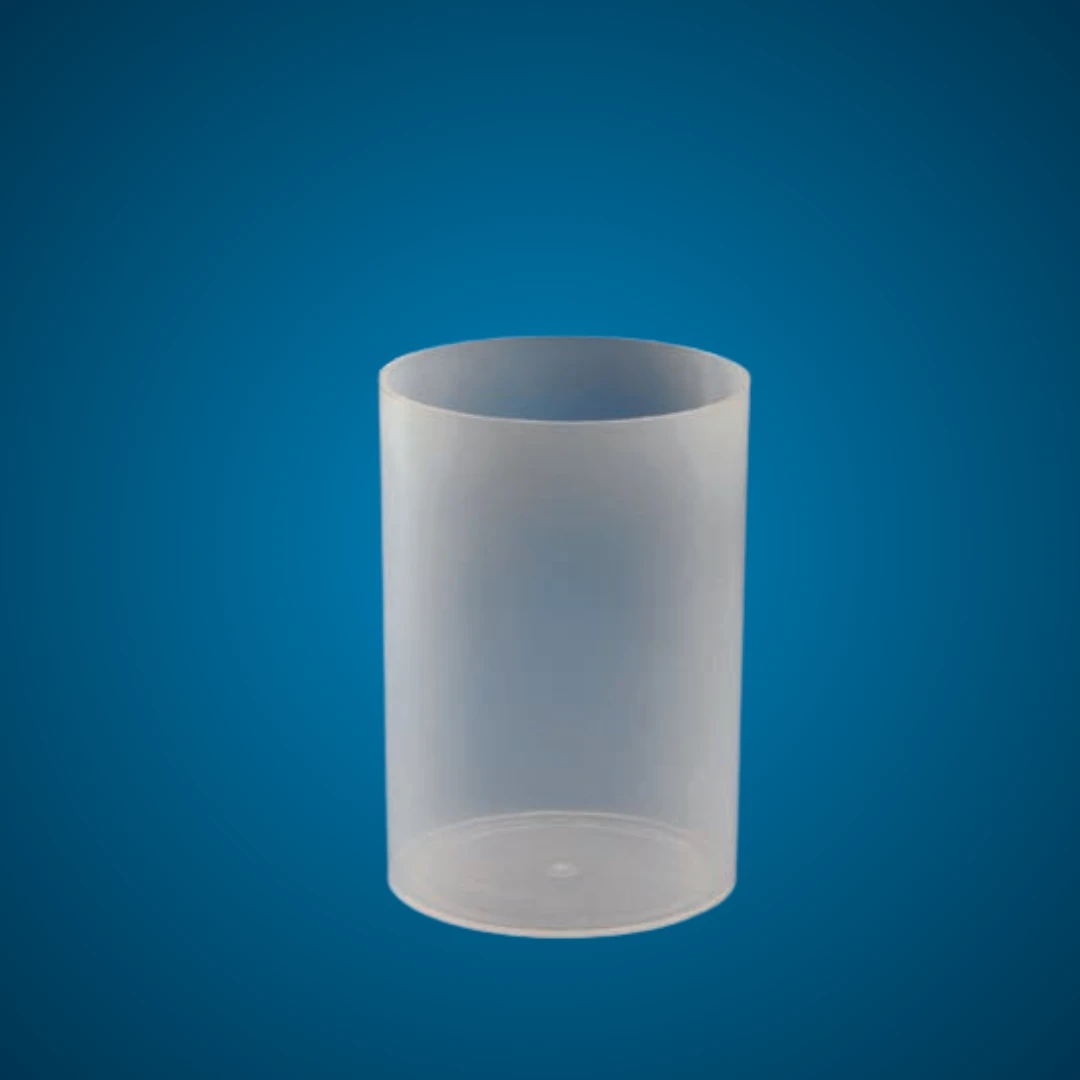
Polylab is a Top rated, Best Manufacturer & Supplier of laboratory storage equipment, offering precision-made Specimen Jar (Gas Jar) designed for safe containment, observation, and handling of gases and laboratory specimens. These jars are widely used in chemistry labs, biology labs, research institutes, educational institutions, and industrial testing environments where clarity, safety, and durability are essential for experimental accuracy.
The Specimen Jar (Gas Jar) from Polylab is manufactured using high-quality, transparent, impact-resistant material, ensuring excellent visibility and strong structural strength. Its design allows users to clearly observe gases or specimens without opening the container, maintaining safety and preventing contamination during experiments or demonstrations.
The jar features a smooth cylindrical body with a wide mouth opening, making it easy to introduce or remove samples during laboratory procedures. Its stable structure ensures secure placement on laboratory benches, while the optional lid system helps in maintaining airtight conditions for gas storage applications.
Code | Particulars | Packing |
|---|---|---|
40001 | ø 50 mm x h150 mm | 12 Pcs |
As a Top rated Manufacturer and Supplier – Polylab, this Gas Jar is highly preferred for its durability, clarity, and safe handling performance, making it an essential laboratory item for accurate observation and controlled experiments.
Gas Collection Experiments – Used for safe storage and observation of gases in chemistry labs.
Educational Demonstrations – Ideal for school and college science practical experiments.
Research Laboratory Work – Used for controlled observation and sample study.
Biology Applications – Suitable for storing biological specimens for study purposes.
Industrial Testing Use – Applied in small-scale analysis and laboratory testing procedures.
High Transparency Body – Provides clear and accurate visibility of stored gases and specimens for easy observation.
Strong Impact-Resistant Construction – Built to withstand regular laboratory usage without cracking or damage.
Safe Containment Design – Helps in secure storage of gases and prevents leakage or external contamination.
Wide Mouth Opening – Allows easy insertion and removal of specimens during experiments and demonstrations.
Stable Cylindrical Shape – Ensures firm placement and balanced handling on laboratory surfaces.
Top Rated Manufacturer – Polylab – Known for delivering reliable and high-quality laboratory products.
Best Material Quality – Manufactured using durable, laboratory-grade transparent materials.
Clear Observation Design – Ensures easy and accurate visibility during experiments.
Safe & Reliable Usage – Designed to maintain secure containment without leakage.
Trusted Supplier Nationwide – Preferred by laboratories, institutions, and research centers across India.
These jars are traditionally called gas jars in educational settings because they were originally used for collecting and demonstrating gas properties. However, their transparent construction and tight-sealing caps make them equally suitable as specimen jars for preserving biological and geological specimens. The terms are often used interchangeably for this type of cylindrical glass or plastic jar with a tight-fitting cap.
Polystyrene has good compatibility with many aqueous preservative solutions such as formalin (formaldehyde solution) and ethanol at typical preservation concentrations. However, it may not be suitable for strong organic solvents, concentrated acids, or bases. For long-term preservation with specific chemicals, always test a small sample first or consult chemical compatibility charts.
No, these specimen jars are made from polystyrene, which has a relatively low melting point and is not autoclavable. Standard autoclaving temperatures (121°C) would cause deformation and melting. They are designed for ambient temperature storage of preserved specimens. For sterile applications, specimens should be preserved using aseptic techniques before placement in these jars.
The cap is designed to fit tightly by pressing firmly onto the jar rim. Ensure both the jar rim and cap are clean and free from debris before sealing. Press down evenly until the cap is fully seated. The tight fit creates a secure seal that prevents evaporation of preservative fluids and protects specimens from dust and contaminants.
These specimen jars have dimensions of ø 50 mm (diameter) x h150 mm (height). This provides approximately 150 mm of internal height with a 50 mm diameter opening, making them suitable for a wide range of specimen sizes from small insects to moderate-sized biological samples.
Yes, these jars are suitable for wet specimen preservation using appropriate fixatives and preservatives such as formalin or alcohol. The tight-fitting cap helps contain the preservative solution and prevent evaporation. However, ensure the cap is securely sealed and check periodically for any signs of leakage or evaporation, especially with long-term storage.
Polystyrene is generally recognized as safe for food contact, but these jars are specifically designed for laboratory specimen preservation. While they could technically be used for storing dry food items, we recommend using containers specifically manufactured and labeled for food storage to ensure compliance with food safety regulations.
These specimen jars are supplied in packs of 12 pieces (Code 40001), making them economical for educational institutions and laboratories with regular specimen preservation needs.
Yes, labeling is recommended for proper specimen identification. The smooth polystyrene surface accepts most permanent markers and laboratory labels. For best results, use solvent-resistant labels or markers, especially if the jars will be handled frequently or if the preservative solutions might come in contact with the labeling.
PolyLab offers a comprehensive range of high-quality plastic laboratory ware designed for accuracy, durability, and everyday laboratory applications across education, research, healthcare, and industrial sectors.
Copyright © 2026 PolyLab, All Rights Reserved.